- This topic is empty.
-
AuthorPosts
-
27/11/2026 at 10:57 #16135
Every slurry producer reaches the same fork in the road: keep paying a toll grinder per liter, or buy a sand mill and bring the process in-house. Toll grinding wins on paper for small volumes — no capex, no staff, no maintenance. But past a certain annual volume, the math flips hard, and most producers never actually calculate the flip point. Here is a working in house grinding vs toll grinding break even analysis with real 2026 numbers, the hidden costs nobody puts in quotations, and a plain checklist for when to buy a sand mill instead of outsourcing grinding.
1. The break-even math, step by step
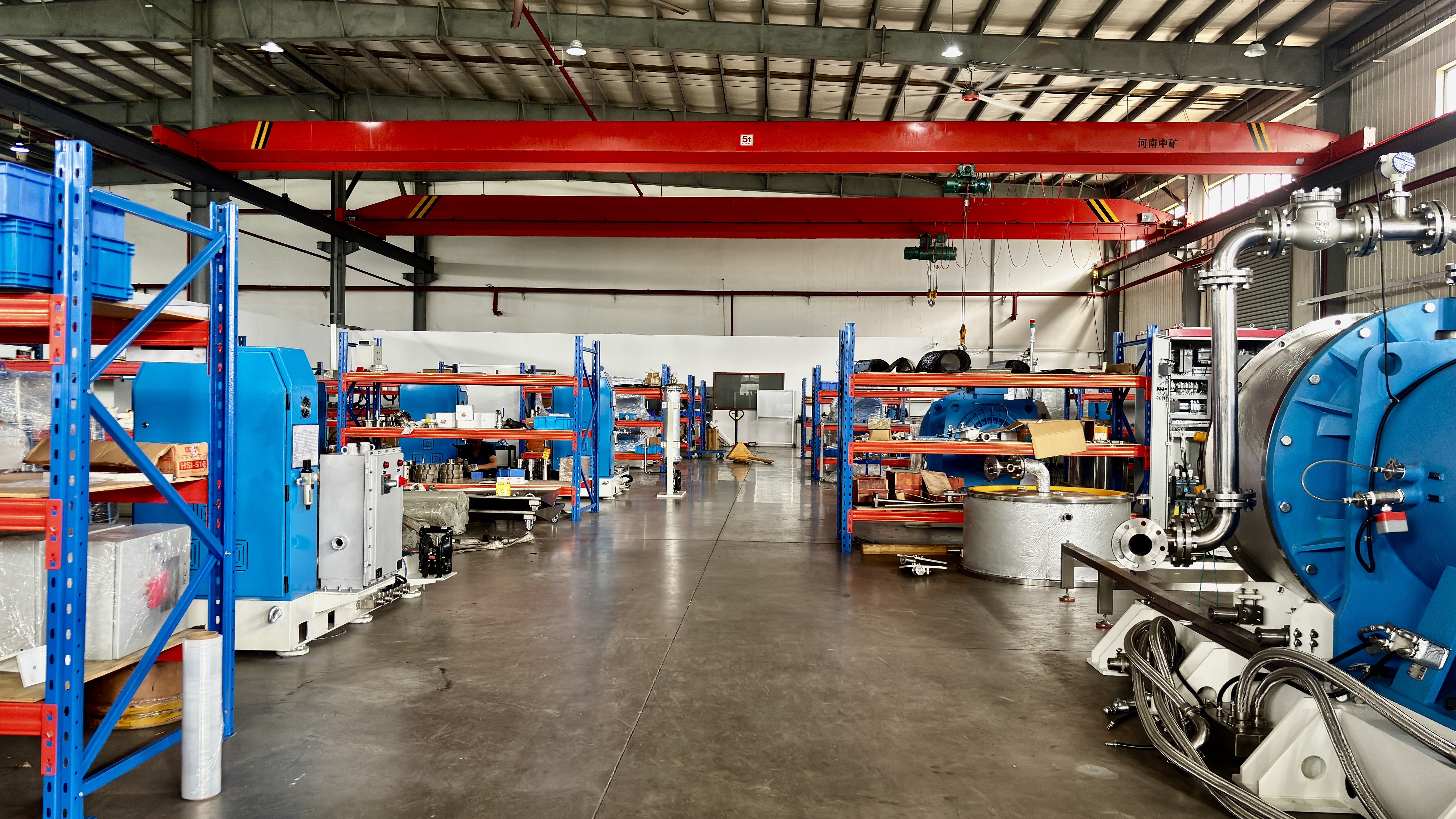
Start with what toll grinding actually costs. In 2026, contract wet grinding for coatings-type slurries typically quotes between USD 0.10 and 0.50 per liter depending on target fineness, solids loading, and batch size — fine nano passes sit at the top of that range. Against that, a working grinding cost per liter calculation for coatings production in-house looks like this for a mid-size mill (30–100 L class, around USD 25,000–55,000 installed): electricity at 20–60 kWh per ton, zirconia media wear, one part-time operator, chiller water, and an annual maintenance reserve. For most coatings and pigment slurries that lands at roughly USD 0.05–0.10 per liter all-in.
Now the flip point. Take a mid-range example: a USD 40,000 mill, toll fee of USD 0.25 per liter, in-house cost of USD 0.08 per liter. The saving is USD 0.17 per liter, so break-even sits near 235,000 liters per year — about 650 liters per working day. A producer running 1,000 L/day clears the investment in roughly 14 months; at 2,000 L/day, in under 8. Below 300 L/day, toll grinding usually stays cheaper for years — the machine spends more time idle than grinding.
2. The hidden costs on both sides of the fence
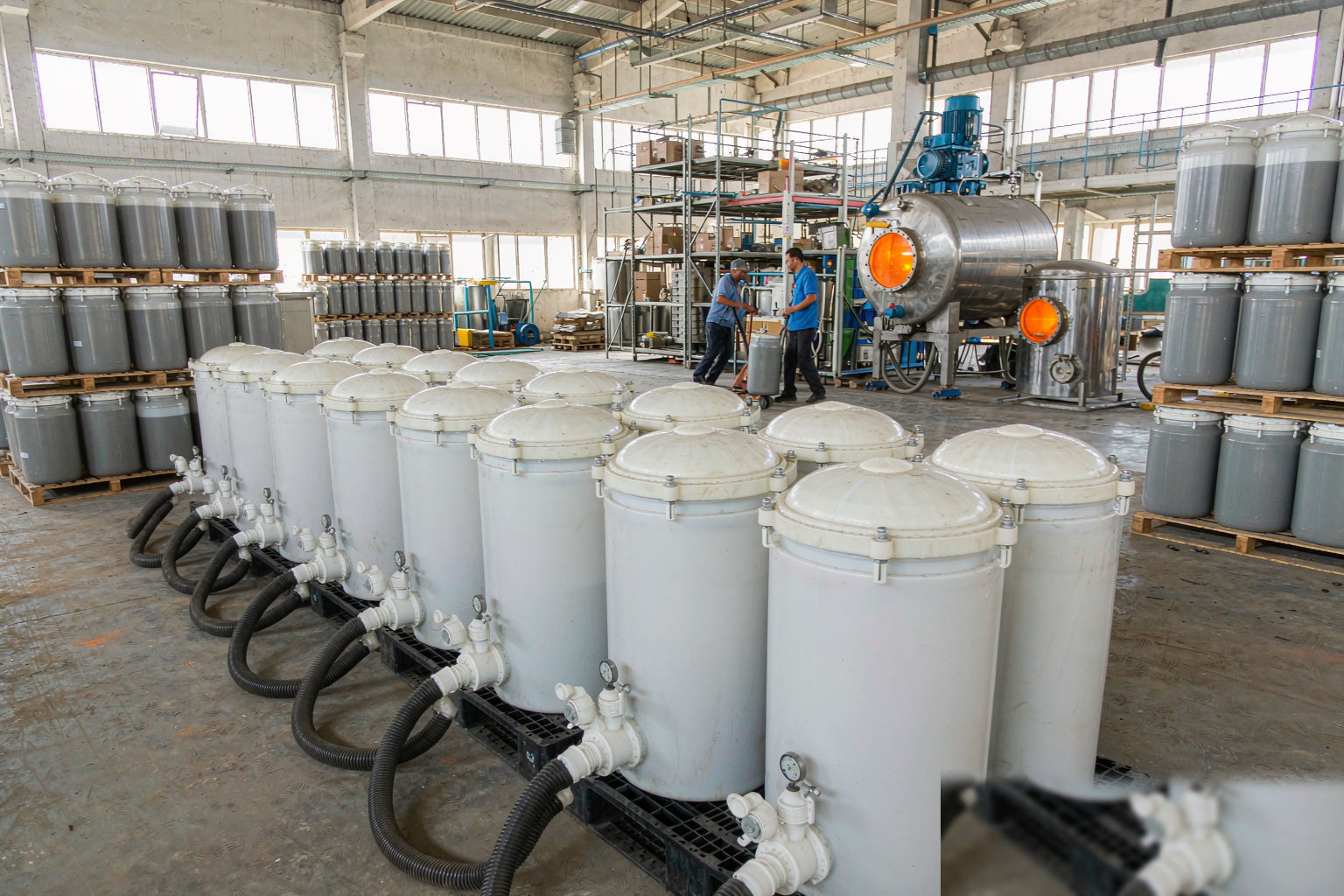
Toll grinding quotes rarely include your true total: inbound and outbound freight on every batch, minimum batch charges that punish small runs, queue time when the toll processor's schedule is full, incoming QC on every lot, and — hardest to price — process exposure. Your slurry formulation, your fineness targets, and your customer list all pass through someone else's plant. For differentiated products, producers routinely value that IP risk above the entire toll fee.
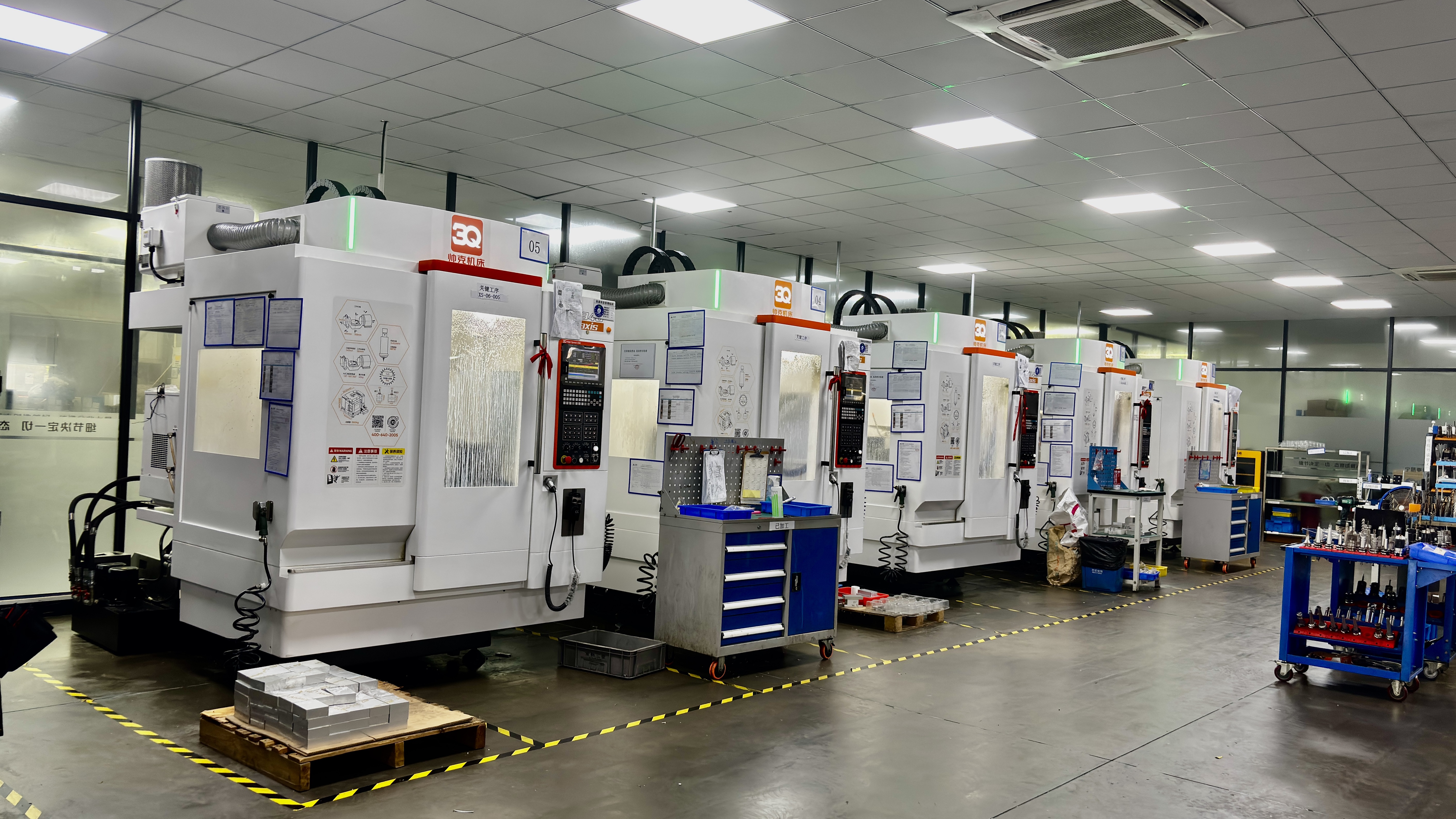
In-house grinding carries its own quiet costs: a trained operator (or a PLC recipe system that needs less of one), floor space and utilities, media inventory management, and discipline about preventive maintenance. This is where equipment quality decides the economics — a mill with 30–40% lower energy consumption and media utilization above 90% moves the break-even point significantly closer. Machines that sit in a maintenance bay are the silent killer of in-house ROI. Component precision matters here too: chambers and rotors machined in-house on CNC centers hold the tolerances that keep wear rates predictable, which is exactly what the break-even spreadsheet assumes.
3. When to buy — and how to de-risk the decision
The checklist for when to buy a sand mill instead of outsourcing grinding comes down to four signals. First, volume: sustained demand above roughly 500–700 liters per working day. Second, stability: a formulation you will still be grinding in three years, not a one-season product. Third, IP or quality control: fineness targets that define your brand, or a formula you cannot afford to share. Fourth, multi-shift potential: a mill that can run a second shift halves its payback time. Hit two or more signals and the numbers in Section 1 will almost certainly favor buying.
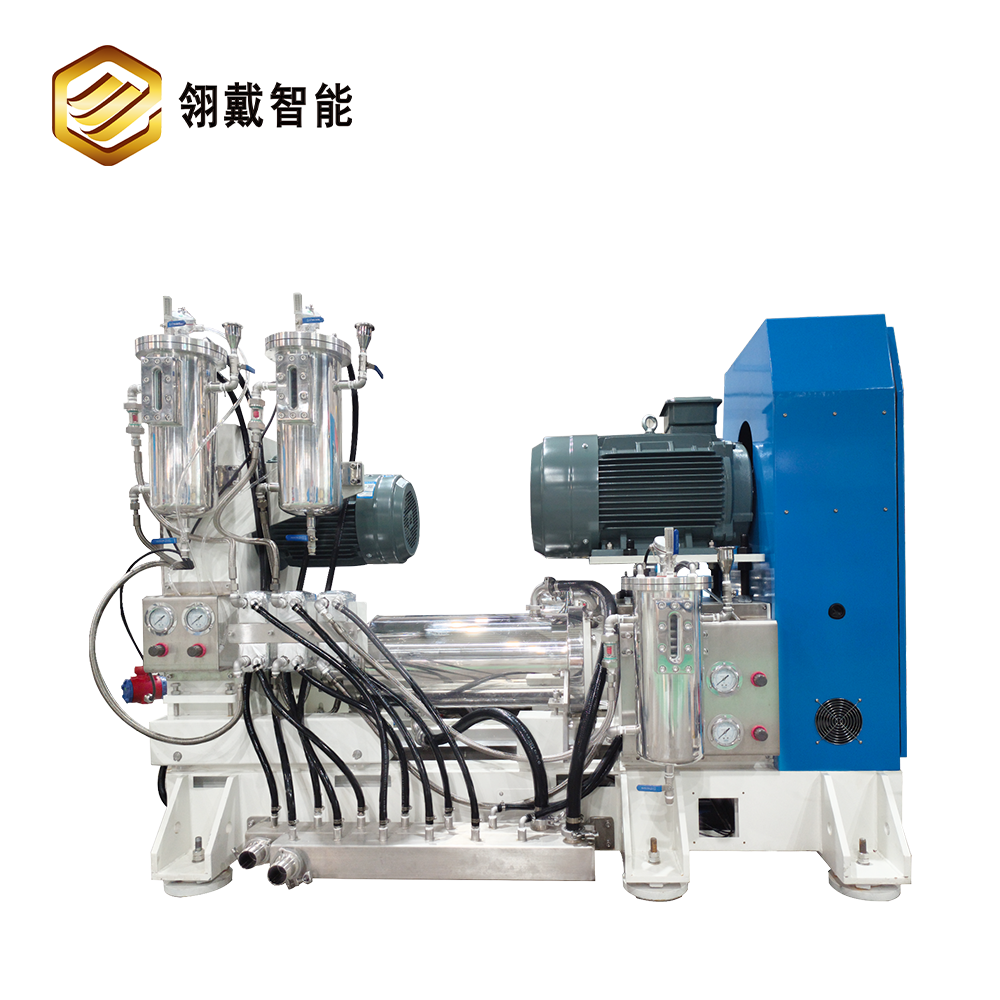
The de-risking step costs nothing: run your actual formulation through trial grinding before committing. A trial report with D50 data, specific energy consumption, and media recommendations converts the break-even spreadsheet from an estimate into a forecast. Lingdai's open laboratory runs these trials free of charge, and as a factory-direct manufacturer, Jiangsu Lingdai Intelligent Equipment Co., Ltd. prices machines without distributor margins — which shortens the payback line on your own calculation. For producers entering at pilot scale, compact dual-power mills bridge the gap: production-capable chambers with lab-friendly footprints.
Frequently asked questions
Q1: What is a realistic in house grinding vs toll grinding break even analysis for a coatings producer?
A: Work it in three lines: annual outsourced liters multiplied by the toll fee; annual in-house liters multiplied by your all-in internal cost (typically USD 0.05–0.10 per liter); and the mill's installed price divided by the per-liter saving. With a USD 40,000 mill and a USD 0.17 per-liter saving, break-even lands near 235,000 liters per year — most producers above that volume recover the machine in 8–24 months.Q2: When should I buy a sand mill instead of outsourcing grinding?
A: When at least two of these are true: sustained volume above roughly 500 L per working day, a formulation stable enough to still exist in three years, fineness or IP requirements you cannot hand to a third party, and shift capacity to keep the mill above roughly 2,000 annual running hours. Below that, toll grinding remains the capital-efficient choice.Q3: How do I calculate grinding cost per liter for coatings production in my own plant?
A: The grinding cost per liter calculation for coatings production adds five lines and divides by liters processed: electricity (specific energy from your trial report, typically 20–60 kWh per ton), media wear (bead consumption per ton), operator time allocated to the mill, cooling water or chiller running cost, and an annual maintenance and spare-parts reserve of roughly 3–5% of machine price. Compare that number to your current toll fee — the gap is your payback engine.Want the break-even point for your own slurry instead of an example? Review the Lingdai sand mill range or browse all equipment lines, then send your formulation — the trial grinding report that anchors this calculation is free.
http://www.ldbeadmill.com
lingdai -
AuthorPosts

- You must be logged in to reply to this topic.