- This topic is empty.
-
AuthorPosts
-
17/08/2026 at 15:05 #14812
In modern printing manufacturing, maintaining consistent color quality has become one of the most critical challenges affecting production efficiency and product competitiveness. Whether producing packaging materials, labels, pharmaceutical cartons, flexible packaging, or high-end commercial prints, customers increasingly require stable color reproduction across different production batches.
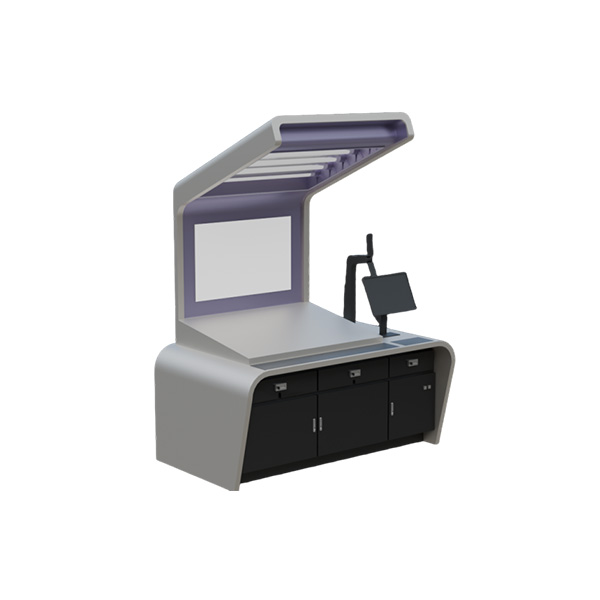
Traditional ink control methods often rely heavily on operator experience, manual sampling, and periodic adjustments. Although experienced operators can achieve acceptable results, these methods face limitations in high-speed production environments. Small variations in ink viscosity, substrate characteristics, temperature, humidity, and printing speed can gradually affect color consistency, resulting in increased waste, longer setup time, and higher quality control costs.
An AI-based ink control system addresses these challenges by combining artificial intelligence algorithms, image analysis, real-time monitoring, and automated adjustment technologies. Instead of depending solely on manual intervention, the system continuously analyzes printing conditions, identifies color deviations, and helps maintain stable ink performance throughout the production process.
For printing companies seeking higher automation levels and reduced material waste, AI-driven ink control has become an important technology for achieving intelligent printing production.
Why Traditional Ink Control Methods Struggle in High-Speed Printing
Ink control is a complex process influenced by multiple variables.
During printing production, color variation may occur due to:
Ink viscosity changes during long operation periods.
Temperature fluctuations affecting ink flow characteristics.
Changes in substrate absorption properties.
Different printing speeds affecting ink transfer.
Mechanical wear influencing printing pressure and alignment.
Traditional inspection methods usually depend on manual color comparison or offline sampling. Operators may need to periodically collect printed samples, compare them against standard references, and manually adjust ink parameters.
This approach creates several limitations.
First, the response time is relatively slow. By the time a color deviation is detected, a significant amount of material may already be printed.
Second, manual adjustment can vary between operators, making it difficult to maintain consistent production quality across different shifts.
Third, conventional methods cannot continuously monitor every printed product, limiting defect prevention capability.
For high-volume printing operations, these limitations directly affect production costs and delivery reliability.
How AI-based Ink Control System Works
An AI-based ink control system integrates multiple technologies to create a closed-loop printing quality management process.
The system typically includes:
High-resolution image acquisition modules.
AI-powered image recognition algorithms.
Color difference analysis technology.
Data processing and decision-making software.
Communication interfaces with printing equipment.
During operation, the system captures real-time images of printed materials and compares actual printing results with predefined quality standards.
Advanced AI algorithms analyze:
Color deviation.
Ink distribution consistency.
Printing density changes.
Pattern abnormalities.
Registration-related issues.
Based on analysis results, the system can provide adjustment recommendations or automatically communicate with printing equipment for parameter optimization.
This real-time feedback mechanism transforms printing quality management from a reactive inspection process into a proactive control process.
AI Vision Technology Improves Color Consistency
Color consistency is one of the biggest challenges in industrial printing.
A small color difference may become unacceptable in applications such as:
Brand packaging.
Luxury product labels.
Cosmetic boxes.
Pharmaceutical packaging.
Security printing.
AI vision technology improves this process by analyzing printed images with high precision.
Unlike human inspection, which can be affected by fatigue, lighting conditions, and subjective judgment, AI-based systems provide consistent evaluation standards throughout the production cycle.
The system can compare printed output against digital references and detect subtle differences that may not be easily visible during manual inspection.
For example, when ink density gradually decreases during a long printing run, the AI system can identify the trend before the deviation becomes a visible quality issue.
This predictive capability reduces waste and improves overall production stability.
Reducing Ink Waste Through Real-Time Monitoring
Material waste is a major cost factor in printing operations.
Incorrect ink adjustment during startup or production changes can result in large amounts of rejected products.
An AI-based ink control system helps reduce waste by shortening adjustment time and improving process stability.
In conventional production environments, operators may need multiple adjustment cycles before achieving acceptable color quality.
With AI-assisted monitoring, the system provides faster feedback by identifying the exact direction of deviation.
The benefits include:
Reduced startup waste.
Fewer defective products.
Lower manual adjustment frequency.
Improved utilization of ink and substrates.
For large-scale printing factories, even a small percentage reduction in waste can create significant economic value.
Integration with Printing Quality Inspection Systems
Modern printing factories increasingly require complete digital quality management rather than isolated inspection equipment.
An AI-based ink control system can be integrated with broader printing quality inspection solutions, including:
OCR verification.
Anti-counterfeiting inspection.
Mixed-material detection.
Surface defect inspection.
Production data management.
Yixuan Automation Technology focuses on providing comprehensive printing quality inspection solutions, including OCR anti-counterfeiting systems, cross-regional sales monitoring systems, mixed-printing material detection, and appearance defect inspection.
By combining AI analysis with printing inspection technologies, manufacturers can build a more complete quality control ecosystem covering both color accuracy and product authenticity.
Data-Driven Printing Process Optimization
One of the major advantages of AI-based systems is their ability to collect and analyze production data.
During printing operations, the system can record:
Color variation trends.
Machine operating conditions.
Adjustment frequency.
Quality inspection results.
Production parameters.
This information provides valuable insights for continuous process improvement.
For example, if a specific substrate repeatedly causes color deviation under certain production conditions, historical data can help identify the relationship between material characteristics and printing parameters.
Over time, manufacturers can establish optimized production standards based on actual operational data rather than relying only on operator experience.
This transition from experience-based management to data-driven manufacturing represents a major step toward intelligent printing factories.
AI-based Ink Control System in Different Printing Applications
Different printing industries have different quality requirements.
Packaging printing requires strict color consistency because brand identity depends heavily on visual accuracy.
Pharmaceutical printing requires both appearance quality and reliable information verification.
Label printing requires high precision because small defects can affect product identification and compliance.
Security printing requires advanced inspection capabilities to prevent counterfeit products.
AuthorPostsViewing 1 post (of 1 total)- You must be logged in to reply to this topic.
